
Painting Older Homes in Portland: Dealing with Lead Paint, Cracks, and Aging Surfaces
Older homes in Portland have a charm that newer constructions often lack. From Irvington’s tree-lined streets to the classic homes of Laurelhurst, these properties feature architectural details, solid wood trim, and built-in character that tell a story.
At the same time, aging surfaces, peeling paint, and outdated finishes can make maintaining them a challenge. For homeowners considering painting older homes in Portland, understanding the right preparation and safety measures is essential.
Lead Paint Safety in Portland
Many homes built before 1978 may still contain lead-based paint. While intact surfaces are generally safe, scraping, sanding, or disturbing old paint can release toxic dust. Portland homeowners need to follow safety regulations to protect themselves, their families, and contractors.
Hiring certified professionals who understand EPA lead-safe practices is strongly recommended. This includes containing work areas, using proper personal protective equipment, and following cleanup protocols to prevent contamination.
Even when repainting non-lead areas, being aware of older finishes helps prevent damage to historic surfaces. Proper inspection can identify areas that require special handling, ensuring compliance and safety while preserving the home’s original features.
Repairing Aging Surfaces Before Painting
Cracks, dents, and warped trim are common in Portland homes over 50 years old. Addressing these issues before painting is critical for a long-lasting result. Minor cracks in plaster or drywall should be filled with high-quality patching compounds, then sanded smooth.
Wood trim, often found in Irvington and Laurelhurst homes, may need gentle sanding, stain removal, or epoxy fillers for small splits. Peeling or flaking paint must be carefully removed to create a stable base. Avoid aggressive scraping that could damage delicate moldings or historical trim.
Once surfaces are properly prepared, primers designed for older materials help improve adhesion and prevent stains or tannins from bleeding through the new finish.
Choosing the Right Paint and Finish
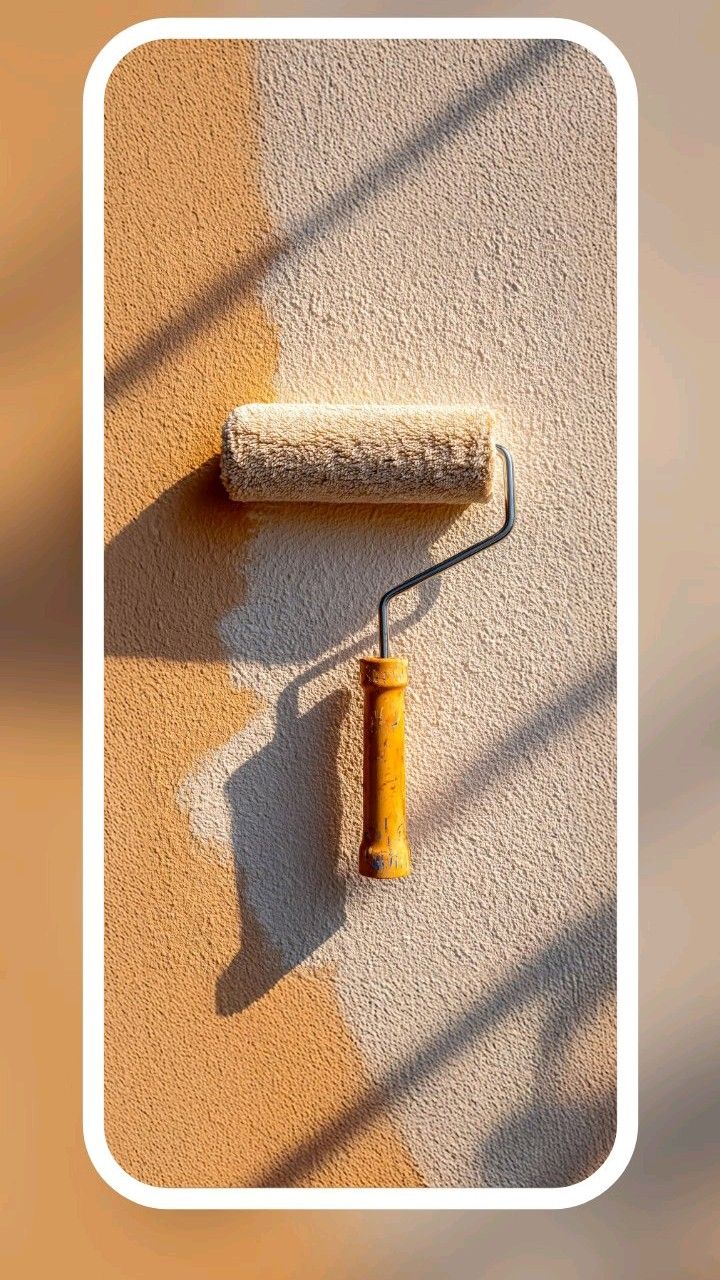
Older homes require paint that can withstand movement in aged wood and plaster. Flexible, high-quality acrylic paints are often ideal for walls, while durable enamel finishes suit wood trim and high-traffic areas.
Satin or semi-gloss finishes provide a balance of durability and ease of cleaning, especially for hallways, kitchens, and trim surfaces. Color selection also matters for older Portland homes. Neutral and historically accurate tones help maintain the property’s character while giving rooms a refreshed, clean appearance.
Lighter shades can brighten interiors with smaller windows or narrower rooms, common in early 20th-century homes.
Maintaining Painted Older Homes
Once painting is complete, proper maintenance ensures the finish lasts. Gentle cleaning, prompt touch-ups on high-contact areas, and periodic inspections help prevent peeling and damage. For exterior surfaces, check siding, trim, and eaves regularly for signs of moisture intrusion, as Portland’s rainy climate can accelerate wear on older materials.
• Thorough surface prep, attention to lead safety, and choosing the right paint are key steps for successful painting of older Portland homes.
Painting older homes in Portland allows homeowners to restore beauty while respecting historical integrity. By addressing lead safety, repairing aging surfaces, and selecting appropriate finishes, families in neighborhoods like Irvington, Laurelhurst, and Alameda can enjoy a refreshed home that stands up to daily life and Portland’s climate.
Working with experienced professionals ensures the work is safe, lasting, and true to the character of the home.
Learn more about our Professional Painting Services and how our Portland team helps homeowners restore and maintain historic properties.
Schedule a Free Estimate